Curriculums & Philosophies
Our early learning mission
Braineer strives for the best brain-building educational experiences for children, with evidence-based early-childhood education philosophies and tools.
- To design and deliver the most scientific, effective, suitable, inclusive and fun brain-building experiences for children
- To proactively engage and guide parents to collaboratively help their children grow
- To be a good member of our community

Our core curriculums for early learning
Braineer Academy creates a flexible environment, responsive to the needs of children and teachers, to create meaningful learning experiences together.
Curriculum 1
Emergent curriculum
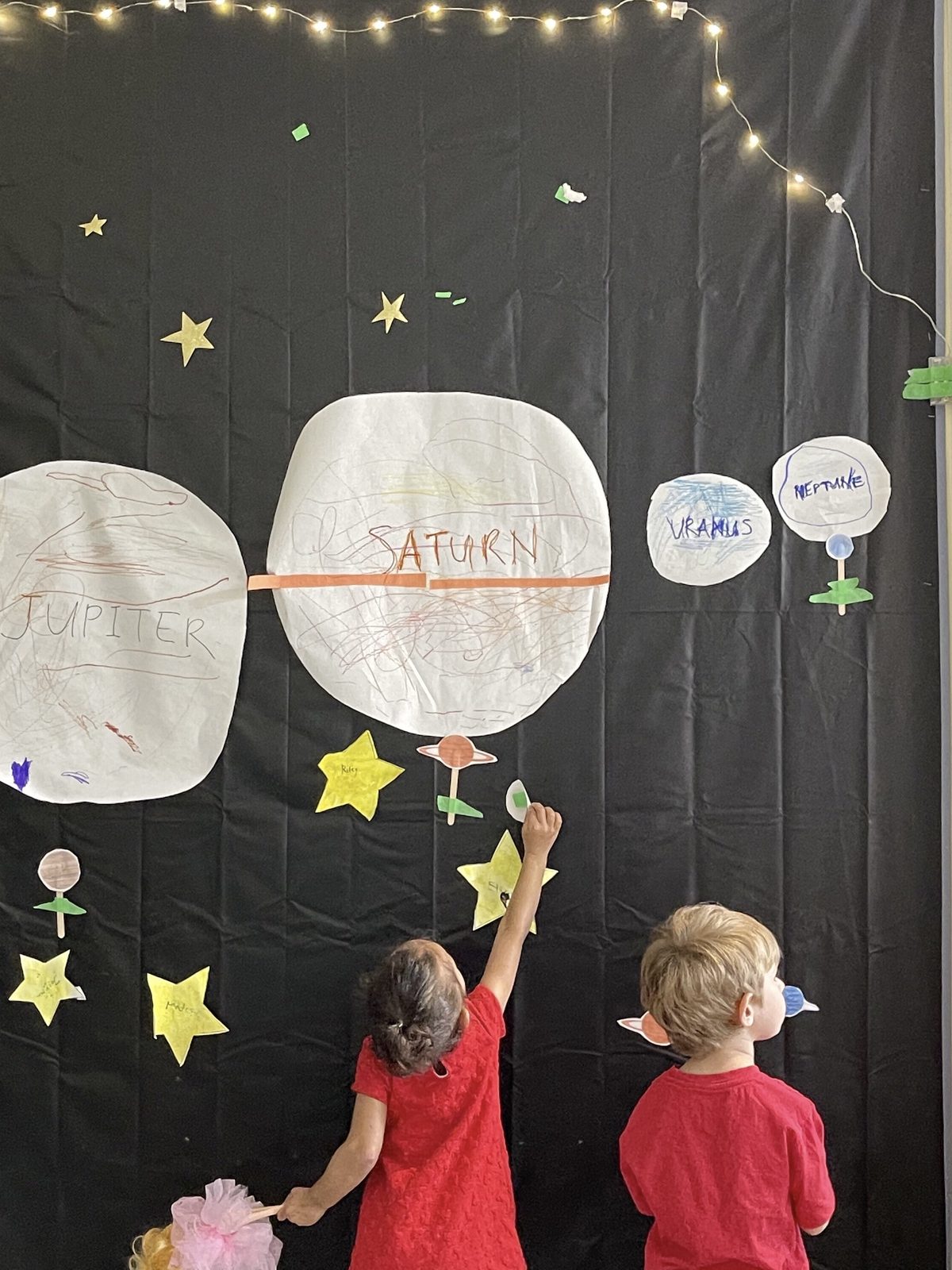
Emergent curriculum is an early-education approach where teachers design projects unique to a child or group of children. Rooted in the work of noted early-childhood theorists like Dewey, Piaget, and Vygotsky, it is a process where teachers plan activities and projects based on the specific group of children they are working with — taking into account their skills, needs, and interests.
In an emergent-curriculum program, what happens in side-by-side classrooms will look different, because the skills, interests, and needs of the children in those classrooms differ. A teacher takes into account all that she knows about the individuals and the particular group of children she teaches, and plans accordingly.
Curriculum 2
Flight — Alberta's early learning and care framework
Our philosophy prioritizes active participation, relationship building, flexible and adaptable methods, inquiry, and play-based learning.
Flight is a curriculum framework that guides the work of early learning and child care educators with young children (ages 0 to before 6 years) and their families, in centre-based child care and family day homes. It is a flexible framework for thinking about how children learn and experience their worlds, and a guide that fosters strong early-childhood communities.
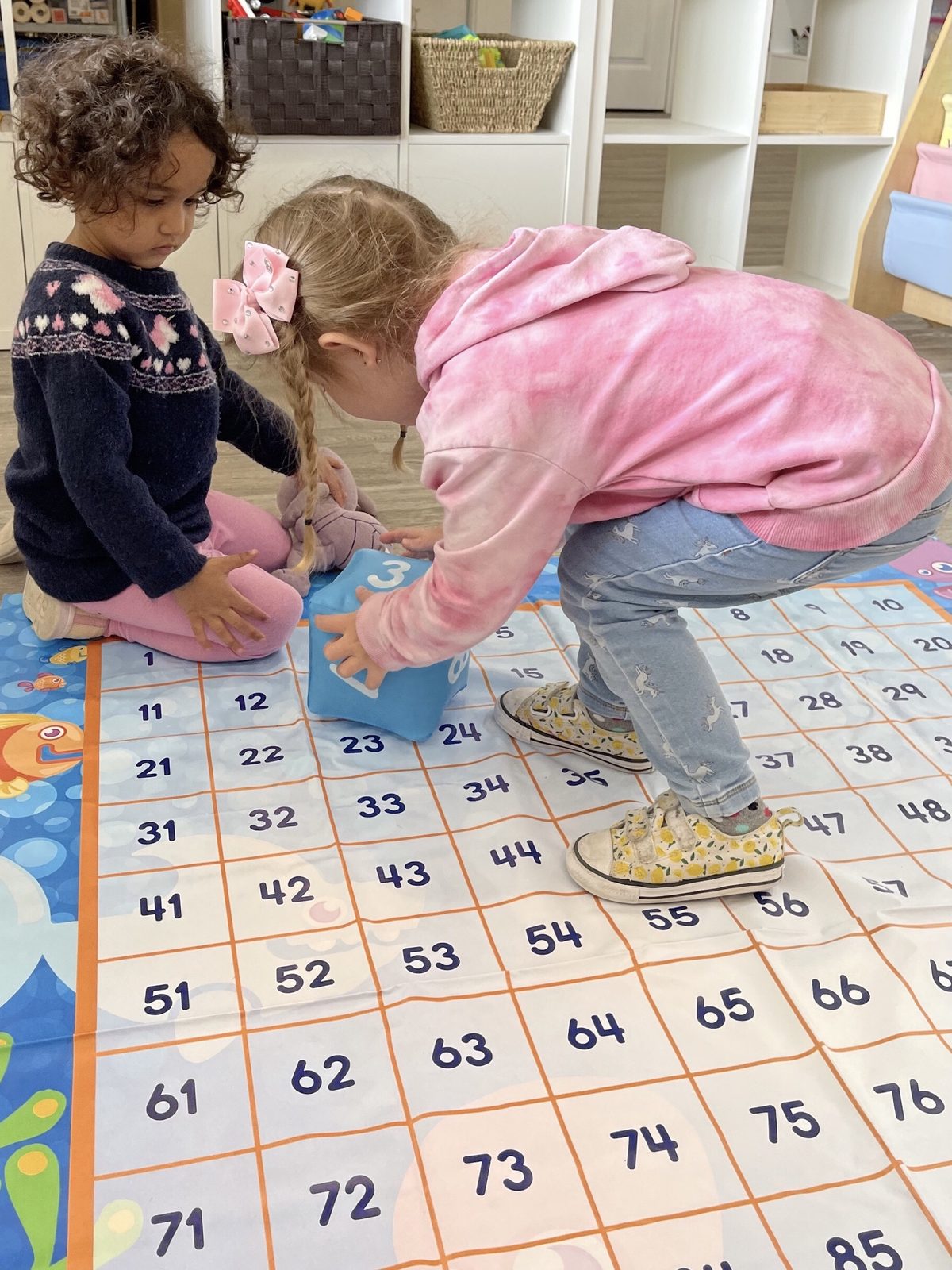
Children's play is central to this framework — an active, exploratory, creative, expressive process, deeply embedded in children's everyday experiences, through which children participate in, learn about, and actively make sense of the world.
Flight core concepts
Curriculum 3
The Reggio Emilia approach
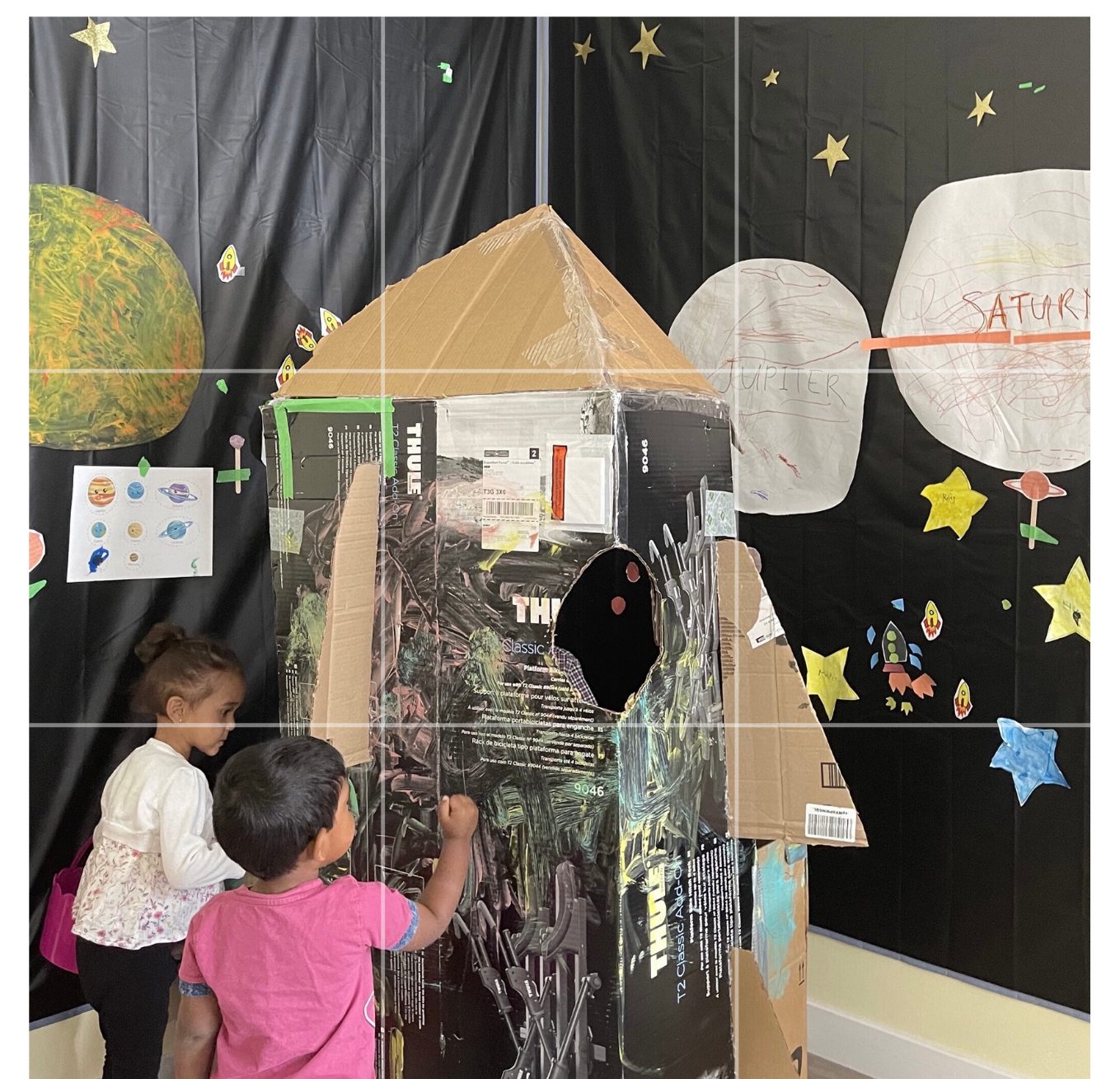
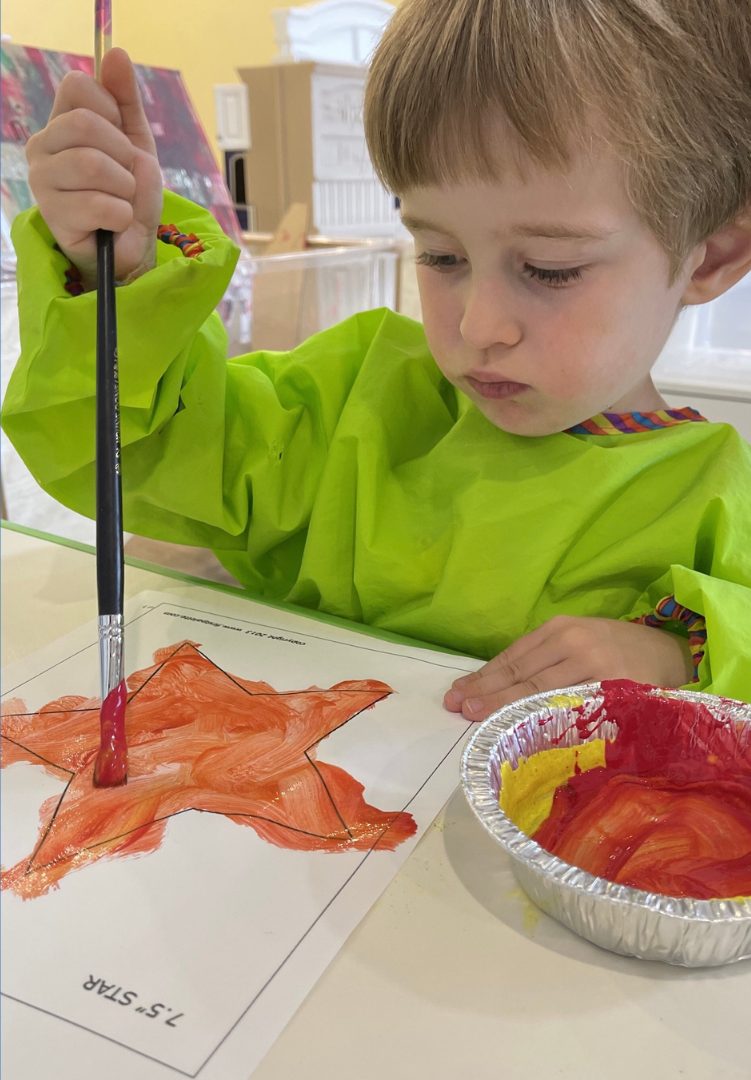
The Reggio Emilia approach is an educational philosophy focused on preschool and primary education. It is a student-centred, constructivist, self-guided curriculum that uses self-directed, experiential learning in relationship-driven environments, based on the principles of respect, responsibility and community — through exploration, discovery and play.
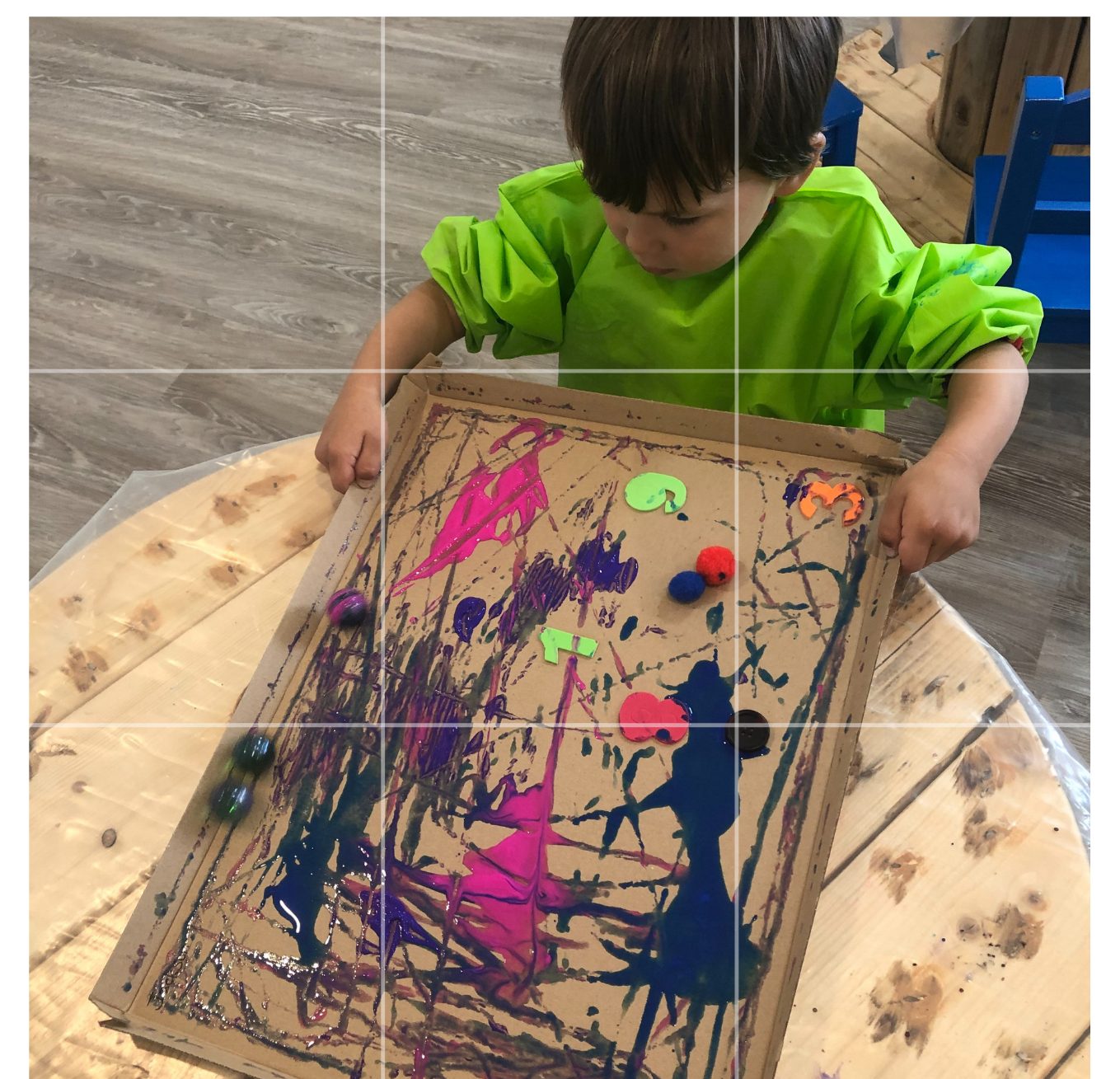
At its core is the idea that children form their own personality during the early years of development, and that they are endowed with "a hundred languages" through which they can express their ideas. The aim of the Reggio approach is to teach children how to use these symbolic languages (e.g. painting, sculpting, drama) in everyday life. The approach was developed by pedagogist Loris Malaguzzi and parents in the villages around Reggio Emilia, Italy — which is where it gets its name.
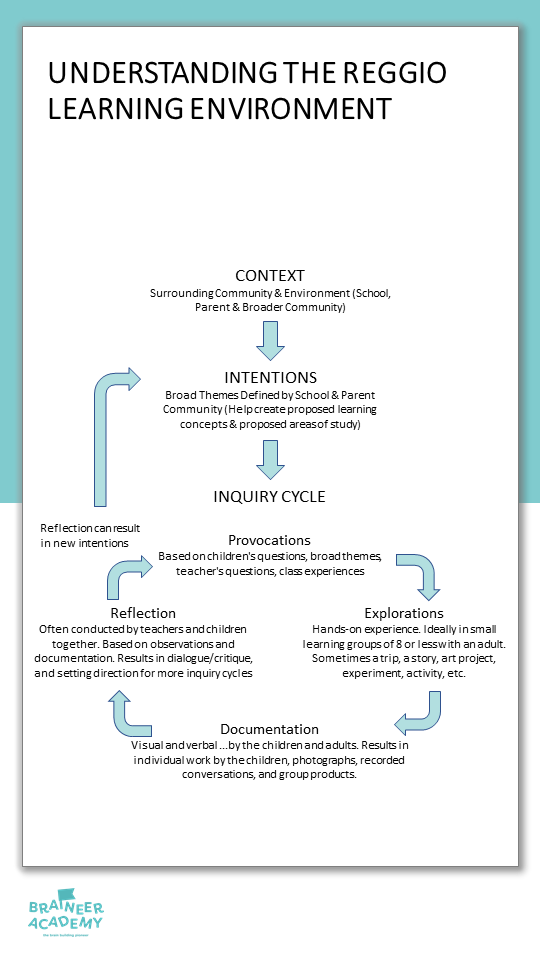
How Braineer builds a Reggio environment
Curriculum 4
Executive function
Executive function and self-regulation skills are the mental processes that let us plan, focus attention, remember instructions, and juggle multiple tasks. Just as an air-traffic-control system at a busy airport safely manages the arrivals and departures of many aircraft on multiple runways, the brain needs this skill set to filter distractions, prioritize tasks, set and achieve goals, and control impulses.
When children get the chance to develop executive function and self-regulation, individuals and society experience lifelong benefits. These skills are crucial for learning and development, enable positive behaviour, and let us make healthy choices for ourselves and our families.
Executive function depends on three types of brain function: working memory, mental flexibility, and self-control. These functions are highly interrelated and must operate in coordination with each other.
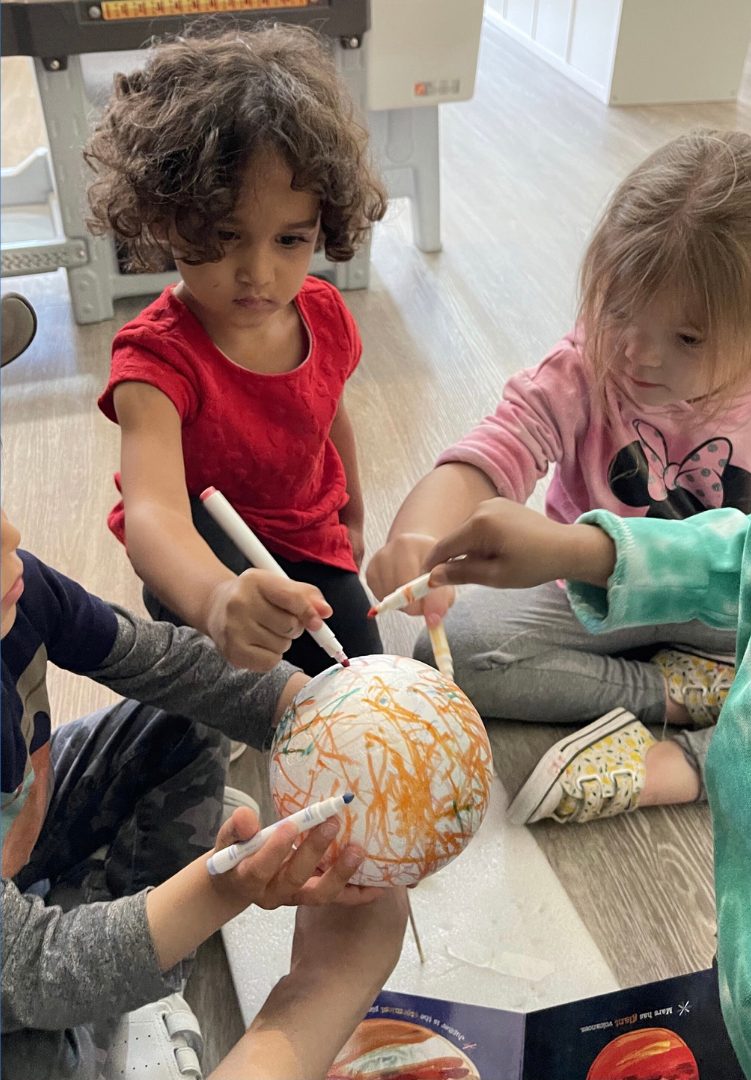
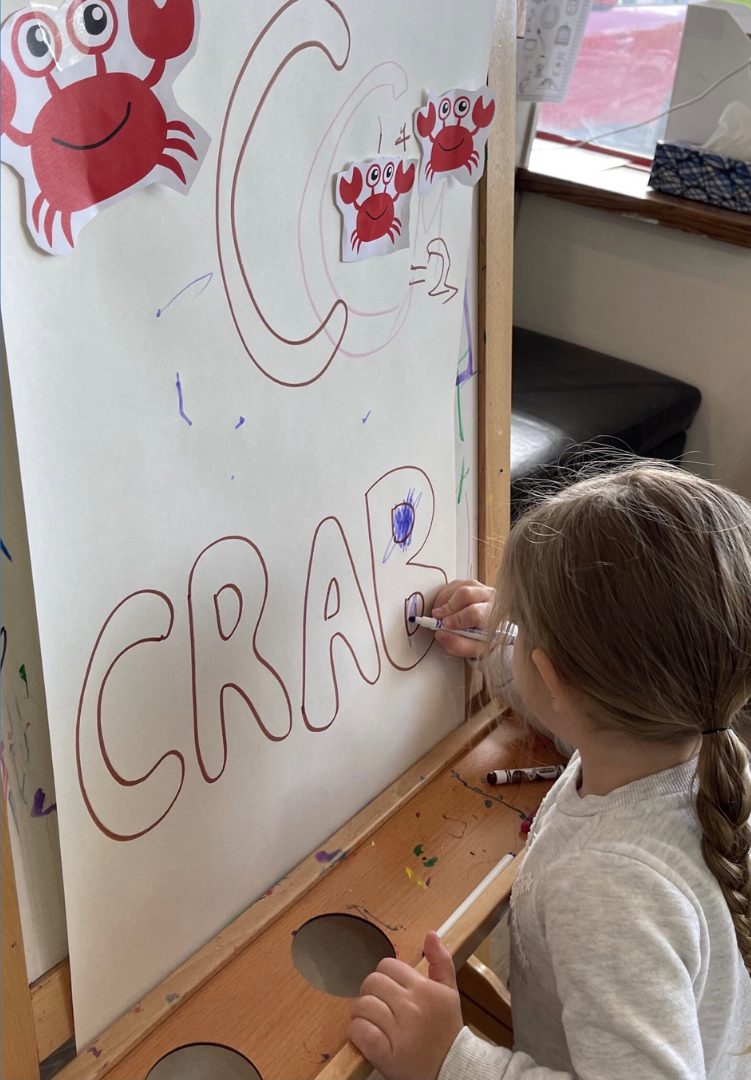
At Braineer Academy, we follow early-childhood development science and plan our executive-function activities on proven theories and practices — with activity sets for 3-to-5-year-olds and for 5-to-6-year-olds.
Curriculum 5
Transparency and parent communication
A teachable moment is a stage in a child's development when they are most receptive to learning a certain concept or skill — a quick moment when your child's interest in a subject is at its highest, usually sparked by a conversation or a situation that brings on intense curiosity. If you're watching the news with your child and they're riveted by a story about a hurricane, that's the perfect moment to teach them about the forces of nature that create one.
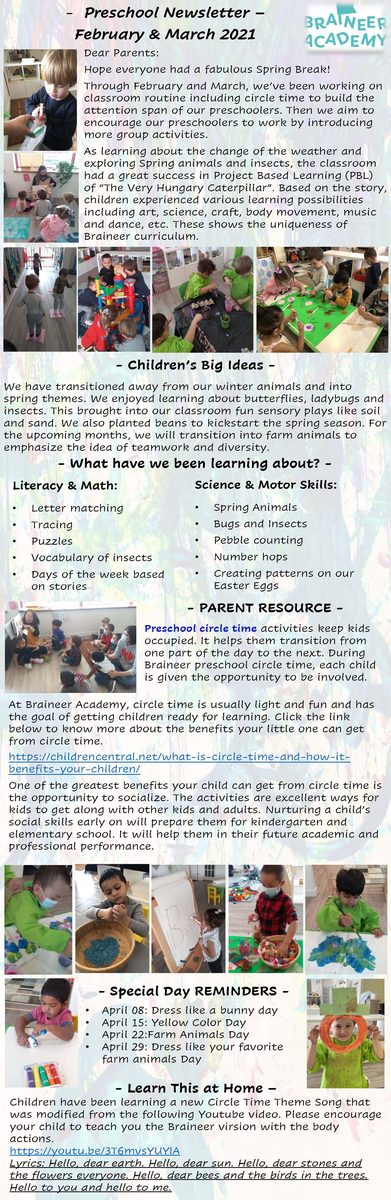
We photograph and document teachable moments and share them with parents through our communication app. You get a timely notification and can view your child's teachable moments throughout the week — plus a monthly newsletter.
Come see the classrooms for yourself
Book a free tour, or call us about current availability.